Dahab in May 2026: Weather, Things to Do, Hotels & Travel Guide
Dahab in May: hot days around 35°C, warm sea at 25°C and quieter streets before summer.

In this guide 29 sections
- Dahab in May
- 1. Comprehensive Climate Overview for Dahab in May
- 2. Seasonal Metric & Climate Specifications Table
- 3. Cairo & Giza: Metropolitan & Archaeological Weather in May
- 4. Upper Egypt: Luxor, Aswan & Nile Valley Thermal Guide
- 5. The Red Sea & South Sinai Coastal Dynamics in May
- 6. Alexandria & The Mediterranean Coast in May
- 7. The Western Desert Oases: Siwa, Bahariya & The White Desert
- 8. Detailed Seasonal Packing Encyclopedia for May
- 9. Crowd Levels, Hotel Price Trends & Booking Strategy
- 10. Complete 7-Day Seasonal Itinerary Model for May
- 11. Nile River Cruising Dynamics in May
- 12. Red Sea & Sinai Marine Conditions in May
- 13. Seasonal Egyptian Gastronomy & Refreshments
- 14. Cultural Etiquette, Modest Dress & Baksheesh (Tipping)
- 15. Health, Hydration & Desert Sun Safety
- 16. Photography Strategies for May
- 17. Estimated Travel Costs & Budgeting Breakdown for May
- 18. Detailed Port-by-Port Nile Cruise Excursion Directory for May
- 19. Red Sea & Sinai Marine Directory & Seasonal Wildlife Calendar
- 21. Health, Medical Facilities & Desert Wellness Protocol for May
- 22. Ten Real-World Tipping (Baksheesh) Scenarios for May
- 23. The Complete 10-Day Seasonal Expedition Framework for May
- 24. Regional Cultural Celebrations & Nightlife in May
- 25. Desert Ecology, Flora & Wildlife Encounters in May
- 26. Photography Gear Protection & Lens Maintenance in May
- 27. Local Social Etiquette, Religious Observances & Ramadan in May
- 28. Pre-Departure Master Checklist & Useful Arabic Phrases
- 29. Related Monthly Weather & Destination Guides
- Questions & answers
Dahab in May
May in Dahab is hot, around 35°C, but the sea (about 25°C) and the breeze make it comfortable.
- Best activities: diving, freediving, paddleboarding and sunset cafés.
- Value: good prices before the summer.
Plan desert trips for early mornings or evenings.
1. Comprehensive Climate Overview for Dahab in May
Visiting Dahab in May offers an average daytime high of 35°C (95°F) and evening temperatures dropping to around 20°C (68°F). The coastal sea temperature averages an inviting 25°C (77°F), making snorkeling, scuba diving, and boat excursions exceptionally pleasant.
Because Egypt features an arid subtropical desert climate, humidity across Upper Egypt and Cairo remains consistently low, ensuring that heat feels dry and manageable rather than oppressive. Along the Red Sea and Mediterranean coasts, refreshing sea breezes moderate afternoon warmth. However, the contrast between direct sunshine in open-air desert courtyards and crisp desert nights can be noticeable, making strategic layering essential for all travelers.
Rainfall in May is practically non-existent throughout the Nile Valley and Red Sea, averaging less than one millimeter of precipitation across the entire month. Travelers enjoy guaranteed clear blue skies and reliable sunshine from dawn to dusk, making outdoor planning completely dependable.
The UV index in Dahab during May ranges between moderate and extreme depending on cloud cover and midday sun elevation. Because dry desert air accelerates moisture evaporation from the skin without prominent perspiration, staying hydrated with mineral water and electrolytes is vital even during cooler winter breezes.
Atmospheric pressure across the Nile Valley remains exceptionally stable during this period, creating ideal conditions for open-air hot air balloon flights over the West Bank of Luxor and smooth navigation for river cruise vessels between Esna, Edfu, and Kom Ombo. The gentle northerly trade winds (Etesian winds) blow down the Nile corridor, providing cooling breezes along hotel verandas and felucca decks.
Microclimates within Egypt can vary significantly during May. Coastal areas along the northern Mediterranean coast around Alexandria experience balmy maritime air with intermittent cloud cover, while the interior deserts of Upper Egypt and the Western Oases experience stark diurnal shifts where sun-drenched afternoons give way to chilly desert twilights. Understanding these regional thermal nuances allows travelers to prepare luggage efficiently and enjoy each destination under optimal conditions.
💡 Pro Traveler Tip for May
Plan your daily itinerary into two distinct sightseeing blocks: outdoor monument and temple exploration from 07:00 AM to 10:30 AM, followed by indoor air-conditioned museum visits, relaxed lunches, or felucca sails in the late afternoon.
2. Seasonal Metric & Climate Specifications Table
Review the verified weather specifications and travel metrics for Dahab in May 2026 below:
| Red Sea Destination | Best Known For | Top Marine & Coastal Experiences |
|---|---|---|
| Hurghada, Makadi & Soma Bay | Family resorts, sandy bays, island yachts & kitesurfing | Orange Bay / Giftun Island cruise, Hurghada Marina & house reefs |
| El Gouna | Venice-style turquoise lagoons, boutique hotels & kitesurfing | Mangroovy Beach kiteboarding, Abu Tig Marina dining & catamaran sails |
| Marsa Alam & Port Ghalib | Pristine southern reefs, sea turtles, dugongs & dolphins | Abu Dabbab Turtle Bay, Sataya Dolphin House & Elphinstone Reef |
| Sharm El Sheikh & Dahab | Dramatic wall diving, Ras Mohammed & bohemian Sinai vibe | Ras Mohammed National Park, Tiran Island, Blue Hole & Three Pools |
3. Cairo & Giza: Metropolitan & Archaeological Weather in May
Greater Cairo and the Giza Plateau enjoy distinct atmospheric conditions during May. Mornings begin with crisp desert air and gentle breezes blowing across the Mokattam Hills and the Nile Basin.
Exploring open-air monuments like the Giza Pyramids, the Step Pyramid of Saqqara, and the Dahshur Necropolis is exceptionally rewarding during morning hours. Clear skies provide sharp panoramic visibility from the Panorama Point in Giza, allowing views of the Cairo skyline silhouetted against the morning sun. After midday, the expansive halls of the Grand Egyptian Museum (GEM) and NMEC provide comfortable, climate-controlled environments to study thousands of pharaonic treasures without exposure to midday sun.
Evenings in Cairo during May are vibrant and social. Sidewalk cafés in Zamalek, Maadi, and Downtown fill with locals and travelers enjoying fresh mint tea and Turkish coffee. Temperatures drop sufficiently by sunset that a light jacket or shawl is recommended when strolling through the illuminated alleys of Al-Muizz Street or dining along the Nile Corniche.
Navigating Cairo traffic in May is smoothest between 09:30 AM and 01:00 PM, after the morning commuter rush. The newly expanded Cairo Metro network connects central Tahrir Square (Sadat Station) with Coptic Cairo (Mar Girgis) and the Giza suburbs, offering air-conditioned transit for independent travelers wishing to bypass surface traffic bottlenecks.
4. Upper Egypt: Luxor, Aswan & Nile Valley Thermal Guide
Upper Egypt (Ancient Thebes and Nubia) represents the archaeological heart of the country, where desert landscapes meet the azure waters of the Nile. In May, conditions across Luxor and Aswan are characterized by pure, unclouded desert sunshine and zero humidity.
In Luxor, early morning visits to the West Bank (Valley of the Kings, Hatshepsut’s Temple at Deir el-Bahari, Medinet Habu) should commence at 06:30 or 07:00 AM. Early arrivals allow you to walk through brightly colored royal tombs before interior chambers absorb ambient body heat from midday crowds. On the East Bank, the colossal sandstone colonnades of Karnak and Luxor Temple glow in warm golden hues during morning and late afternoon hours, connected by the newly paved 2.7-kilometer Avenue of Sphinxes.
Further south in Aswan, granite islands and tranquil river waters moderate local air temperatures. Aswan is legendary for having the driest and most restorative winter air in the world—a historical refuge for travelers since Victorian times. Highlights in May include afternoon sailing on a traditional wooden felucca around Elephantine Island, visiting the rescued temple of Isis at Philae on Agilkia Island, and taking the scenic desert route to the colossal rock temples of Ramesses II at Abu Simbel on the shores of Lake Nasser.
In the evening, Aswan’s Nile Corniche and the traditional Nubian market come alive with gentle desert breezes. Local cafés serve sweet hot mint tea and iced karkadeh, while spice merchants display pyramids of organic Upper Egyptian cumin, dried hibiscus, and aromatic frankincense tears.
5. The Red Sea & South Sinai Coastal Dynamics in May
Egypt’s coastal destinations—spanning Hurghada, El Gouna, and Marsa Alam on the Red Sea mainland, and Sharm El Sheikh and Dahab on the South Sinai peninsula—offer world-renowned marine conditions during May:
- Water Temperatures & Underwater Visibility: The crystal-clear waters of the Red Sea maintain excellent clarity, often exceeding 30 meters of vertical visibility. Depending on whether May is a winter or summer month, sea temperatures range between 22°C and 29°C. Wetsuit recommendations vary from 5mm full neoprene suits during winter months to light 3mm shorties or UV rashguards during shoulder and summer seasons.
- Coral Reef Exploration: Vibrant coral walls at Ras Mohammed National Park, the Straits of Tiran, Giftun Island, and Abu Dabbab provide intimate encounters with clownfish, blue-spotted rays, giant green sea turtles, and resident dugongs.
- Wind & Kitesurfing Conditions: Coastal thermal breezes make El Gouna, Safaga, and Dahab’s Blue Lagoon premier international centers for kitesurfing and windsurfing. Sheltered shallow lagoons provide safe, flat water for beginners, while outer reefs offer rolling swells for experienced riders.
- Sinai Mountain Adventures: Inland from the coast, the granite desert mountains of South Sinai offer invigorating daytime trekking conditions. The sunrise ascent of Mount Sinai (Jebel Musa, 2,285 meters) followed by a morning visit to the 6th-century UNESCO Monastery of Saint Catherine is an unforgettable pilgrimage experience.
- Boat Charters & Island Hopping: Full-day yacht excursions to Mahmya Island or the Giftun Marine Reserve include onboard buffet lunches, snorkeling equipment, and guided drift dives along pristine offshore coral bommies.
6. Alexandria & The Mediterranean Coast in May
For a refreshing change of pace, Alexandria offers a distinct Mediterranean atmosphere during May. Founded by Alexander the Great in 331 BC, Egypt's historic coastal capital blends Greco-Roman heritage with vintage European seaside charm.
The climate along the Alexandria Corniche is cooler and more humid than in the interior desert, with maritime breezes moderating daytime warmth and occasional refreshing sea mist. Key highlights in May include exploring the Citadel of Qaitbay (erected on the exact site and foundation stone of the ancient Pharos Lighthouse), descending into the rock-cut Catacombs of Kom El Shoqafa with their unique fusion of Egyptian and Roman funerary motifs, and visiting the ultramodern Bibliotheca Alexandrina, which commemorates the lost ancient center of universal learning.
Alexandria’s culinary scene in May is celebrated for fresh Mediterranean seafood. Waterfront restaurants in the Anfoushi and Bahary districts serve red mullet (barbuni), sea bass (qarous), and calamari grilled over natural coals with garlic, cumin, and fresh lemon, followed by historic Belle Époque pastries at iconic patisseries along Saad Zaghloul Street.
7. The Western Desert Oases: Siwa, Bahariya & The White Desert
Venturing west of the Nile Valley into Egypt’s vast Western Desert reveals breathtaking landscapes of golden sand seas, lush date palm oases, and otherworldly geological formations:
- Siwa Oasis: Located near the Libyan border, Siwa is an emerald paradise of olive groves, freshwater natural springs (like Cleopatra’s Bath), and ancient Berber mudbrick fortresses (Shali). In May, daytime temperatures are ideal for floating in ultra-saline turquoise salt lakes and visiting the Temple of the Oracle where Alexander the Great was proclaimed son of Amun.
- The White Desert National Park: Famous for surreal, wind-sculpted chalk monoliths shaped like mushrooms, sphinxes, and icebergs rising from golden sands. Crisp May evenings provide world-class astrophotography conditions, with unpolluted dark skies framing the glowing Milky Way above desert campfires.
- Bahariya & The Black Desert: Volcanic basalt-topped cones create a striking contrast with the surrounding desert. Natural hot sulphur springs provide restorative mineral soaks after long 4x4 off-road desert journeys.
- Desert Wildlife & Ecology: Patient observers may spot fennec foxes (with their oversized radar ears) roaming around campsite perimeters at dusk, dorcas gazelles, and desert falcons soaring above remote sandstone mesas.
8. Detailed Seasonal Packing Encyclopedia for May
Dressing appropriately for Egypt during May requires balancing cultural modesty, climate comfort, and physical endurance across dusty terrain:
- Natural Fiber Selection: Pack 100% pure linen, lightweight Egyptian cotton, or breathable merino wool. Synthetic fabrics like polyester trap body heat and moisture, quickly becoming uncomfortable under desert sunshine.
- Color Palette Strategy: Choose neutral earth tones, khaki, sand, beige, olive, and off-white. Avoid pure stark white (which shows fine orange desert dust instantly) and dark black or navy (which absorbs solar thermal radiation).
- Footwear Science: Bring two pairs of broken-in shoes: cushioned athletic walking sneakers with sturdy Vibram-style rubber traction for climbing steep stone ramps, and supportive leather walking sandals. Never wear open flip-flops to archaeological sites where broken gravel, sharp limestone, and camel debris are common.
- Headwear & Eye Protection: A wide-brimmed safari hat (with neck flap or chin strap for breezy viewpoints) and polarized UV400 sunglasses are mandatory. Carry a lightweight cotton Bedouin shemagh or pashmina scarf to wrap around your face if desert dust kicks up.
- Luggage Organization: Use soft-sided duffel bags or expandable spinners rather than rigid hard-shell suitcases. Soft luggage packs easily into domestic flight baggage holds, Nile cruise staterooms, and 4x4 safari trunks.
9. Crowd Levels, Hotel Price Trends & Booking Strategy
In May, crowd density across Dahab is categorized as Low-Med, while hotel, resort, and Nile cruise rates generally fall into the $$ tier:
- Peak Winter Windows (November–February): If May falls within Egypt's premier winter season, popular 5-star Nile cruise ships (Luxor to Aswan), boutique heritage hotels, and domestic flight routes book out weeks in advance. Reserve accommodations at least 6 to 8 weeks ahead.
- Shoulder & Summer Seasons (May–September): In warmer months, luxury hotels and Red Sea beachfront resorts offer substantial promotional discounts, complimentary upgrades, and tranquil monument courtyards free from large tour groups.
- Flight Routing Strategies: Consider flying into Cairo (CAI) and departing via Hurghada (HRG) or Sharm El Sheikh (SSH), or utilizing the modern Sphinx International Airport (SPX) for direct proximity to the Giza Pyramids and Grand Egyptian Museum.
- Nile Cruise Vessel Selection: Differentiate between large 100-cabin motor vessels and intimate 8-to-12-cabin wooden Dahabiyas. Dahabiyas rely on river currents and sails, mooring at secluded Nile islands inaccessible to large commercial cruise liners.
- Securing Premium Tomb Access: High-demand archaeological sites with limited daily entry—such as the Tomb of Queen Nefertari in the Valley of the Queens (QV66) or Seti I (KV17)—should be booked early through official ticketing portals or specialized tour itineraries.
10. Complete 7-Day Seasonal Itinerary Model for May
Follow this perfectly calibrated one-week itinerary structured specifically for travel during May:
- Day 1 (Arrival in Cairo): Land at Cairo International (CAI) or Sphinx (SPX). Check into your hotel, register your local data SIM card, and enjoy an evening dinner cruise or dinner overlooking the illuminated Nile.
- Day 2 (Giza Pyramids & Grand Egyptian Museum): Enter the Giza Plateau at 07:00 AM. Explore the Great Pyramid of Khufu, Khafre, Menkaure, and the Sphinx. At 11:30 AM, transfer to the air-conditioned Grand Egyptian Museum (GEM) to marvel at Tutankhamun’s complete 5,398-piece golden treasure hoard.
- Day 3 (Flight to Luxor & East Bank Temples): Take an early morning 1-hour flight to Luxor. Check into your hotel or Nile cruise vessel. In the afternoon, tour the colossal hypostyle hall of Karnak Temple, followed by sunset exploration of Luxor Temple lit dramatically against the night sky.
- Day 4 (West Bank Necropolis & Valley of the Kings): Cross to the West Bank at dawn (optional hot air balloon flight). Walk through three royal tombs in the Valley of the Kings (add KV17 Seti I or KV62 Tutankhamun), admire the terraced Temple of Queen Hatshepsut, and stop before the Colossi of Memnon.
- Day 5 (Sailing South: Edfu & Kom Ombo): Sail upriver through the lush Nile Valley. Stop at Edfu to tour the best-preserved temple in Egypt dedicated to the falcon god Horus. Sail onward to Kom Ombo to explore the dual sanctuary of Sobek the crocodile god and Haroeris, visiting the adjacent Crocodile Mummy Museum.
- Day 6 (Aswan, Philae & Nubian Culture): Arrive in Aswan. Take a private motorboat to Agilkia Island to visit the romantic Temple of Isis at Philae. In the afternoon, take a peaceful felucca sail around Elephantine Island and visit the colorful Nubian village of West Soheil.
- Day 7 (Abu Simbel Excursion & Departure): Embark on an early morning excursion across the desert to Abu Simbel to witness the colossal rock-cut temples of Ramesses II and Queen Nefertari. Return to Aswan for your flight back to Cairo for your international connection.
11. Nile River Cruising Dynamics in May
Cruising the Nile between Luxor and Aswan during May offers an extraordinary perspective on rural Egyptian riverbank life and ancient monument access:
- Esna Lock Scheduling: All cruise liners traversing between Luxor and Aswan must pass through the double-chambered locks at Esna. In high season, vessels may queue for several hours. Reputable cruise operators adjust meal and excursion schedules seamlessly around lock transit.
- Shore Excursions & Early Morning Calls: Temple stops at Edfu (Temple of Horus) and Kom Ombo (Sanctuary of Sobek and Haroeris) often commence at dawn. Early calls ensure you explore before daytime heat builds along riverbank quays.
- Sun Deck Etiquette & River Life: The top sun deck provides 360-degree views of verdant sugarcane fields, date palm groves, water buffaloes grazing along irrigation canals, and distant golden limestone cliffs unchanged since pharaonic antiquity.
- Dahabiya Sailing Nuances: If chartering a traditional twin-masted Dahabiya, enjoy leisurely river sailing propelled entirely by gentle northerly breezes, with private chefs preparing fresh farm-to-table meals sourced daily from local farmers along the riverbanks.
- Evening River Entertainment: Cruise liners feature nightly cultural performances, including colorful Nubian folklore troupes, mesmerizing Egyptian Tanoura whirling dervishes, and traditional Galabeya costume theme nights.
12. Red Sea & Sinai Marine Conditions in May
For aquatic adventurers, coastal destinations like Hurghada, El Gouna, Marsa Alam, Sharm El Sheikh, and Dahab offer exceptional conditions in May:
- Water Visibility & Wetsuit Selection: Underwater visibility regularly exceeds 25 to 30 meters. During cooler winter months, a 5mm full neoprene wetsuit is recommended, while 3mm shorties or rashguards are ideal for warm shoulder and summer months.
- Pelagic Marine Life Encounters: Depending on seasonal migratory patterns, divers and snorkelers can encounter oceanic whitetip sharks at Elphinstone Reef, resident dugongs and giant green sea turtles in Marsa Alam, and pods of spinner dolphins in Sha'ab Samadai.
- Kitesurfing & Windsurfing: Reliable thermal trade winds along the Gulf of Suez and Gulf of Aqaba make El Gouna and Dahab’s protected blue lagoons world-renowned training grounds for wind sports.
- Protected Coral Reef Conservation: When swimming or diving, never stand on or touch fragile stony corals. Use mineral reef-safe sunscreen (zinc oxide or titanium dioxide) to protect delicate Red Sea coral ecosystems from chemical bleaching.
- Technical Diving & Deep Walls: Advanced divers flock to the deep drop-offs of the Brother Islands, Daedalus Reef, and Rocky Island, where strong currents attract schooling hammerhead sharks, thresher sharks, and giant manta rays.
13. Seasonal Egyptian Gastronomy & Refreshments
Each season in Egypt brings distinct culinary delicacies, fresh fruit harvests, and celebratory dishes to local tables:
- Fresh Seasonal Fruit Harvests: Depending on the time of year, markets overflow with sweet Egyptian mangoes (mid-summer to autumn), succulent pomegranates, fresh dates (Rutab), sweet strawberries, and fragrant winter citrus fruits.
- Warming Comfort Foods: During cooler months, street vendors ladle steaming bowls of golden Egyptian lentil soup (Shorbat Ads) spiced with cumin and accompanied by toasted crispy baladi bread and fresh spring onions.
- Cooling Summer Beverages: In warmer temperatures, freshly squeezed iced sugarcane juice (Aseer Asab), tamarind juice (Tamr Hindi), and cold hibiscus tea (Karkadeh) offer natural hydration packed with electrolytes.
- Street Food Classics: Savor freshly fried Taameya (fava bean falafel) served with tahini, warm ful medames, crispy koshary bowls, and succulent charcoal-grilled kofta kebabs.
- Celebratory Festive Feasts: Traditional holiday specialties like Fattah (garlic-vinegar spiced rice over toasted flatbread with slow-braised lamb), stuffed cabbage leaves (Mahshi Kromb), and crisp buttered baklava provide deep culinary immersion.
14. Cultural Etiquette, Modest Dress & Baksheesh (Tipping)
Courteous cultural awareness ensures warm interactions and gracious hospitality throughout your travels:
- Modest Clothing in Towns & Cities: While beachfront resorts in Hurghada and Sharm El Sheikh embrace international resort swimwear, cities like Cairo, Alexandria, Luxor, and Aswan appreciate modest dress covering shoulders and knees.
- Baksheesh Guidelines: Keep small Egyptian Pound banknotes accessible for customary tipping:
- Luggage porters: 30–50 EGP
- Restroom attendants: 10–20 EGP
- Felucca captain for a 1-hour sail: 100–150 EGP
- Full-day private driver: 200–400 EGP
- Licensed tour guide: 400–700 EGP per day
- Navigating Souks & Bazaars: In markets like Khan el-Khalili, shopkeepers will invite you in for tea. If browsing, maintain a relaxed demeanor and negotiate with good humor; starting offers at 50% of the initial quote is standard practice.
- Greeting Customs: A friendly hand over your heart with the greeting 'Salam Alaykum' (Peace be upon you) fosters immediate warmth and mutual respect among shopkeepers and local hosts.
- Ten Practical Tipping Scenarios: In hotel dining rooms, leave a 10% cash tip directly for your server even if service charge is included on the bill; for desert 4x4 Bedouin safari guides, tip 200–300 EGP per vehicle; for Nile cruise cabin stewards, tip 100–150 EGP per cabin per day placed in the collective tip box at checkout.
15. Health, Hydration & Desert Sun Safety
Protect your health and vitality with these fundamental travel wellness habits:
- Hydration Management: The dry desert atmosphere causes rapid perspiration evaporation. Drink 2.5 to 3 liters of mineral water daily, supplemented with electrolyte powder packets to sustain sodium-potassium balance.
- Safe Drinking Water Rules: Avoid drinking unfiltered tap water. Drink sealed bottled water and check that bottle caps have intact plastic tamper seals. Tap water is completely safe for brushing teeth and showering in reputable hotels.
- Digestive Care: If experiencing mild traveler's stomach upset, Egyptian pharmacies readily dispense Antinal (nifuroxazide), a safe, non-systemic intestinal antiseptic that resolves symptoms rapidly.
- Sun Protection: Apply broad-spectrum SPF 50 sunscreen every two hours, wear UV-protective polarized sunglasses, and use a lightweight wide-brimmed sun hat during all open-air archaeological touring.
- Heat Exhaustion Recognition: Watch for symptoms like dizziness, headache, or dry skin. If feeling fatigued, retreat immediately to air-conditioned transport, sip electrolyte water, and rest in the shade.
16. Photography Strategies for May
Lighting conditions in Dahab during May offer remarkable creative opportunities for both smartphone photographers and seasoned DSLR enthusiasts:
- Early Morning Low-Angle Light (07:00 AM – 08:30 AM): Raking sunlight strikes carved relief hieroglyphs at acute angles, creating rich textural depth and micro-shadows that bring ancient stone carvings to life.
- Managing Harsh Midday Glare: Between 11:30 AM and 02:30 PM, direct vertical sunlight washes out desert landscapes. Use circular polarizing filters (CPL) to cut glare from reflective limestone pavements and restore deep cobalt blue hues to the sky.
- Golden Hour Along the Nile: The final 45 minutes before sunset produce warm amber tones reflecting off the Nile water, framing silhouetted felucca sails and date palms against crimson horizons.
- Night & Astrophotography: In dark desert locations like Siwa, Bahariya, or the White Desert, clear moonless skies allow stunning captures of the Milky Way core arching over chalk rock formations.
- Drone Laws Warning: Remember that flying drones is strictly forbidden everywhere across Egypt. Stick to handheld mirrorless or smartphone photography to prevent customs delays.
17. Estimated Travel Costs & Budgeting Breakdown for May
Budgeting effectively for an Egyptian itinerary in May depends on your preferred travel tier and touring pace:
- Backpacker / Budget Tier ($35–$50 USD per day): Staying in clean West Bank or Downtown hostels/guesthouses, dining on local street food (koshary, taameya, ful), using public trains and Uber, and prioritizing primary gate entrance tickets.
- Mid-Range Explorer Tier ($100–$200 USD per day): Staying in comfortable 4-star boutique hotels or modern riverside accommodations, dining at sit-down heritage restaurants, booking licensed English-speaking guides for complex sites, and taking 1st class Talgo trains or domestic flights between hubs.
- Luxury Experiential Tier ($350–$750+ USD per day): Reserving historical suites at the Old Cataract, Mena House, or Winter Palace, chartering private Dahabiyas on the Nile, enjoying private Egyptologist guides with dedicated chauffeur transit, and dining at celebrated international fine-dining venues.
18. Detailed Port-by-Port Nile Cruise Excursion Directory for May
Traversing the Nile Valley between Luxor and Aswan during May offers an unparalleled window into ancient sacred landscapes and modern agricultural life. Review this detailed port-by-port sightseeing guide:
- Luxor East Bank (Karnak & Luxor Temple): The sprawling 200-acre precinct of Karnak features 134 colossal sandstone papyrus columns in the Great Hypostyle Hall. In May, afternoon light casts golden reflections across the Sacred Lake and the pink granite obelisk of Queen Hatshepsut. Three kilometers south along the paved Avenue of Sphinxes, Luxor Temple shines under evening spotlights with towering seated colossi of Ramesses II.
- Luxor West Bank (Valley of the Kings, Deir el-Bahari & Medinet Habu): Morning balloon ascents at dawn reveal the stark limestone cliffs of the Theban Necropolis. Walk through vividly painted underground royal tombs where Book of the Dead scenes retain brilliant yellow, blue, and ochre mineral pigments. Continue to Queen Hatshepsut’s terraced mortuary temple at Deir el-Bahari, framed dramatically against sheer vertical cliffs, and the fortified temple of Ramesses III at Medinet Habu with its deeply carved sea-people battle reliefs.
- Esna Lock & The Temple of Khnum: While cruise liners queue for the double locks of Esna, walk through local market streets to visit the sunken Greco-Roman Temple of Khnum. Located nine meters below modern street level, its 24 towering columns feature recently restored astrological ceiling reliefs and vibrant green and turquoise astronomical representations of constellations.
- Edfu (Temple of Horus): The most architecturally complete temple in Egypt, Edfu was preserved beneath desert sand and river silt for nearly two millennia. Ride a traditional horse-drawn carriage or licensed motor taxi from the river quay to explore the soaring 36-meter entrance pylon, open courtyards, and the dark granite barque sanctuary where the winged falcon deity was worshipped.
- Kom Ombo (Temple of Sobek & Haroeris): Dramatically perched on a high sandstone promontory overlooking a sweeping bend of the Nile, Kom Ombo features a unique symmetrical double layout. The southern half honors Sobek the crocodile god (symbol of Nile fertility and primal power), while the northern half honors the solar falcon god Haroeris. Adjoining the temple, the modern air-conditioned Crocodile Museum displays dozens of mummified Nile crocodiles excavated from nearby animal necropolises.
- Aswan & The Island Sanctuary of Philae: In Aswan, take a private motor launch across Lake Nasser to Agilkia Island, where UNESCO painstakingly relocated the romantic Temple of Isis from submerged Philae Island. Conclude your voyage with a tranquil sunset felucca sail around Kitchener's Island (Aswan Botanical Garden) and the ancient granite ruins of Elephantine Island.
19. Red Sea & Sinai Marine Directory & Seasonal Wildlife Calendar
The Red Sea is one of the world's premier marine biodiversity hotspots, home to over 1,200 fish species and 200 hard and soft coral varieties. Seasonal conditions in May create prime viewing windows for diverse marine life:
- Shark & Yolanda Reef (Ras Mohammed National Park): Plunging vertically over 700 meters into the abyss, these twin coral pinnacles attract massive schooling pelagic species, including barracuda, trevally, grey reef sharks, and giant moray eels. In May, gentle coastal currents create exhilarating drift dive opportunities.
- SS Thistlegorm Shipwreck (Strait of Gubal): Sunk by German bombers in October 1941, this 128-meter British merchant navy vessel rests at 30 meters depth. Divers can swim through open cargo holds to inspect perfectly preserved WWII Bedford trucks, Norton motorcycles, airplane wings, railway boxcars, and field artillery rifles encrusted with vibrant soft corals.
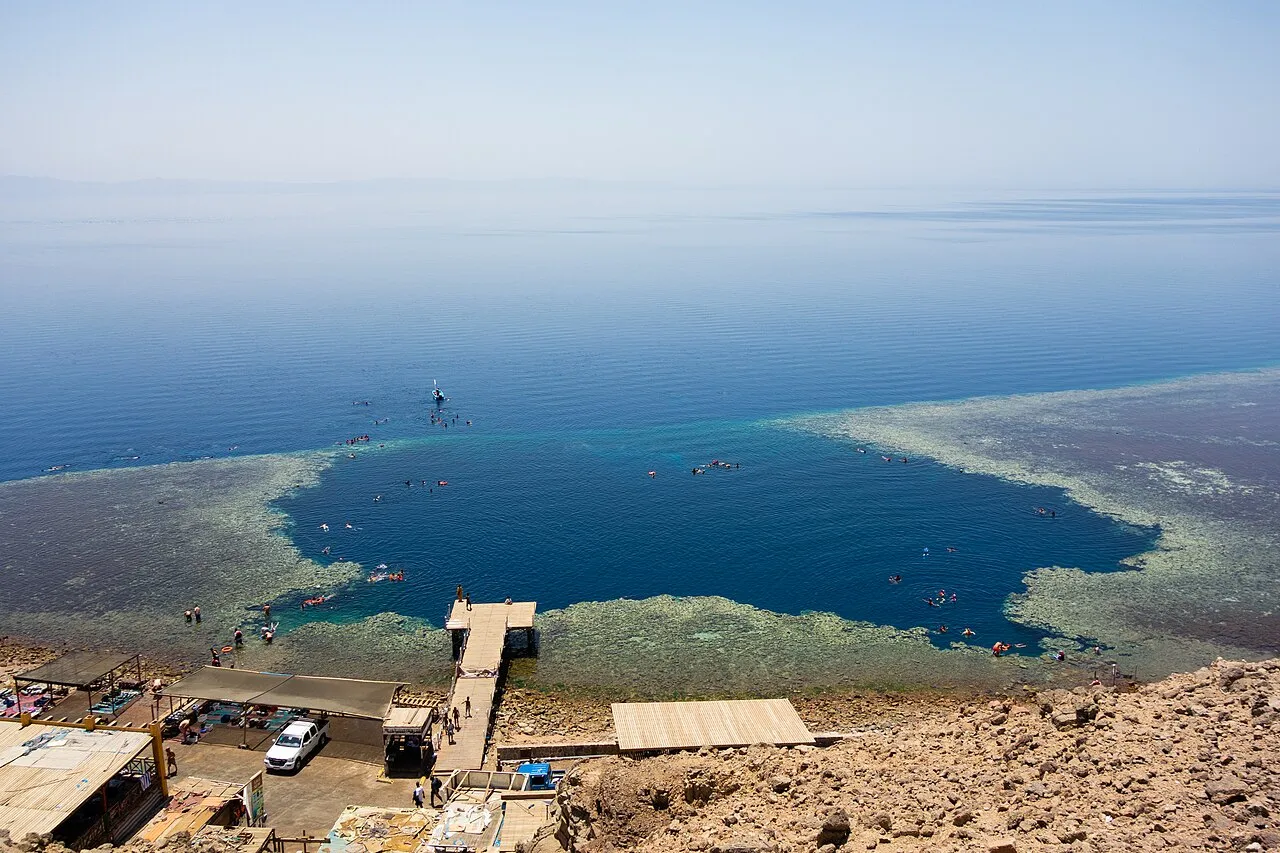
- The Blue Hole & The Canyon (Dahab): A legendary 120-meter submarine sinkhole dropping sheer into deep blue waters, protected by an outer fringing reef. Snorkelers and recreational divers explore the shallow outer saddle and surrounding coral gardens, while technical divers train in its sheltered depths.
- Abu Dabbab Turtle Bay (Marsa Alam): A wide, sheltered sandy lagoon with lush seagrass meadows that serve as year-round feeding grounds for giant resident green sea turtles (reaching up to 1.5 meters in shell length) and rare, gentle dugongs (sea cows). Snorkelers of all ages can observe these magnificent creatures breathing at the surface in calm, shallow waters.
- Dolphin Reef (Sha'ab Samadai): A horseshoe-shaped protected marine park where pods of up to 100 playful spinner dolphins rest during daytime hours. Regulated eco-tourism zones allow respectful, non-intrusive snorkeling encounters in clear turquoise waters.
21. Health, Medical Facilities & Desert Wellness Protocol for May
Maintaining vibrant health and stamina throughout your travels in Dahab during May requires proactive self-care tailored to Egypt's arid climate and dynamic touring pace:
- Dehydration Prevention & Satiation: Dry desert air accelerates sweat evaporation so quickly that travelers rarely feel sticky or sweaty. Drink a minimum of 3 liters of mineral water daily. Add an oral rehydration salts (ORS) packet to your morning water flask to replenish vital electrolytes (potassium, sodium, magnesium) lost during long archaeological hikes.
- Navigating Digestive Sensitivity: The change in culinary oils, aromatic spices, and regional tap water flora can occasionally cause mild gastrointestinal adjustment. If you experience loose stools or abdominal cramps, local Egyptian pharmacies stock Antinal (nifuroxazide), an effective non-systemic intestinal antiseptic that treats acute traveler's diarrhea quickly without disrupting beneficial gut flora.
- Sun Safety & Heat Protection: Direct ultraviolet radiation is intense throughout Egypt even during cooler winter months. Apply water-resistant broad-spectrum SPF 50 sunscreen every two hours, wear UV400-rated sunglasses with side protection, and use broad-brimmed hats to protect your scalp, ears, and neck.
- Pharmacy Network & Emergency Clinics: Egyptian pharmacists are knowledgeable healthcare providers who dispense many standard medications over the counter. In major hubs like Cairo, Luxor, Aswan, Hurghada, and Sharm El Sheikh, modern private international hospitals maintain 24-hour emergency casualty departments and multi-lingual medical personnel.
22. Ten Real-World Tipping (Baksheesh) Scenarios for May
Tipping is an integral social custom in Egyptian daily life, reflecting communal solidarity and appreciation for personalized service. Follow these exact 2026 ground benchmarks:
- 1. Airport Luggage Porters: 30–50 EGP for handling heavy suitcases from baggage carousels to curbside private vehicles.
- 2. Hotel Bellhops: 30–50 EGP upon delivering luggage to your hotel stateroom or cruise cabin.
- 3. Restroom Attendants: 10–20 EGP placed on the tip dish at historical monuments and highway rest stops for providing fresh tissue and clean facilities.
- 4. Felucca Captains (1–2 Hour Sail): 100–150 EGP total for the crew upon returning to the dock in Luxor or Aswan.
- 5. Dedicated Full-Day Private Drivers: 200–400 EGP per day for a chauffeur who navigates traffic, keeps the vehicle air-conditioned, and remains on site while you tour.
- 6. Licensed Egyptologist Tour Guides: 400–700 EGP per day from your party for an engaging, full-day educational tour.
- 7. Restaurant Servers: 10% cash tip left directly on the table, even if an official service charge is pre-printed on the restaurant bill.
- 8. Desert Bedouin Safari Drivers: 200–300 EGP per 4x4 vehicle following an adventurous dune excursion or White Desert camping trip.
- 9. Nile Cruise Cabin Stewards: 100–150 EGP per day placed in the communal tip envelope provided at reception upon checkout, which is shared equitably among onboard crew.
- 10. Temple Guardians Offering Flashlight Assistance: 20–50 EGP if an attendant points out a hidden cartouche or unlit relief detail inside a dark tomb chamber.
23. The Complete 10-Day Seasonal Expedition Framework for May
If you have ten days to experience Egypt in May, this master itinerary balances world-famous archaeological wonders, serene Nile sailing, and coastal or desert adventure:
- Day 1: Arrival in Cairo & Welcome Nile Cruise: Touchdown at Cairo International Airport. Settle into your hotel in Zamalek or Garden City. Spend a relaxing evening enjoying dinner aboard an authentic Nile riverboat as the city lights reflect across the water.
- Day 2: The Wonders of Giza & The Grand Egyptian Museum: Beat the tour buses by entering the Giza Plateau at 07:00 AM. Study the Great Pyramid of Khufu, the Sphinx, and the Valley Temple. In the afternoon, explore the Tutankhamun galleries and solar boat exhibition at the Grand Egyptian Museum (GEM).
- Day 3: The Birth of Pyramids at Saqqara & Dahshur: Travel south to explore Imhotep’s Step Pyramid of Djoser, the underground bull sarcophagi of the Serapeum, and the pristine limestone chambers of Sneferu's Red Pyramid at Dahshur. Conclude with an evening walk through the medieval caravanserais of Khan el-Khalili.
- Day 4: Flight to Luxor & Karnak Colonnades: Fly to Luxor in the morning. Check into your hotel or river cruiser. In the afternoon, wander among the 134 towering sandstone papyrus columns of the Great Hypostyle Hall at Karnak, then stroll down the newly opened Avenue of Sphinxes to Luxor Temple at twilight.
- Day 5: The Valleys of the Dead & Mortuary Terraces: Cross to the West Bank at dawn. Descend into the vividly painted underground royal tombs of the Valley of the Kings (KV17 Seti I or KV62 Tutankhamun), admire Queen Hatshepsut's colonnaded terraces at Deir el-Bahari, and stop before the Colossi of Memnon.
- Day 6: Nile River Sailing: Edfu & Kom Ombo: Cruise upriver toward Aswan. Dock at Edfu to explore the exceptionally preserved temple of the falcon god Horus. Later, sail to Kom Ombo to discover the unique dual sanctuary of Sobek the crocodile god and Haroeris, visiting the adjacent Crocodile Mummy Museum.
- Day 7: The Romance of Aswan & Island of Philae: Arrive in Aswan. Take a private motor launch to the scenic island sanctuary of Isis at Philae. In the afternoon, board a traditional wooden felucca to sail around Elephantine Island and visit the vibrant Nubian community at West Soheil.
- Day 8: The Colossi of Abu Simbel & Red Sea Transfer: Journey across the early morning desert to Abu Simbel to witness the colossal rock-cut temples of Ramesses II and Queen Nefertari overlooking Lake Nasser. Fly or take private transfer to the Red Sea coast (Hurghada or El Gouna).
- Day 9: Red Sea Coral Reefs & Marine Safari: Spend a rejuvenating day snorkeling or scuba diving among the pristine coral reefs of Giftun Island, swimming alongside green sea turtles, rays, and dolphins in warm, crystal-clear turquoise waters.
- Day 10: Farewell Cairo & International Departure: Transfer to the airport for a quick domestic flight to Cairo International Airport for your connecting journey home.
24. Regional Cultural Celebrations & Nightlife in May
Egypt’s social and cultural rhythms come alive in May across historical quarters, modern arts hubs, and coastal promenades:
- Evening Promenade Culture (The Corniche): Across Alexandria, Cairo, Luxor, and Aswan, families and friends gather along riverside and seaside corniches at dusk. Enjoy warm roasted sweet potatoes (Batata) and grilled corn from street carts while watching illuminated riverboats glide across the water.
- Cultural Performances & Folklore: Attend an evening Tanoura whirling dervish performance at the historic 16th-century Wekalet El Ghouri near Al-Azhar in Islamic Cairo. The hypnotic spinning dance, accompanied by traditional nay flutes and duff drums, is an unforgettable spiritual art form.
- Opera & Classical Arts: The Cairo Opera House on Gezira Island hosts world-class orchestral symphonies, classical Arabic music concerts, and ballet performances throughout the season in its grand Moorish-inspired main hall.
- Traditional Café Culture (Ahwa Baladi): Sit at historic sidewalk cafés like El-Fishawy in Khan el-Khalili (open continuously since 1773). Sip hot mint tea served with fresh sprigs of wild mint or Turkish coffee brewed over hot sand (Sand Coffee), engaging in gentle conversation with locals.
25. Desert Ecology, Flora & Wildlife Encounters in May
While Egypt is predominantly characterized by sweeping arid dunes and rugged desert massifs, its diverse ecosystems support unique wildlife adapted to arid conditions:
- Nile River Bird Migration: The Nile Valley is one of the world's most critical bird migration flyways (the Great Rift Valley Flyway). In May, birdwatchers can observe hundreds of thousands of migrating European storks, white pelicans, glossy ibises, kingfishers, and osprey feeding along river shallows and reed beds between Aswan and Lake Qarun in the Fayoum Oasis.
- Mammals of the Eastern & Western Deserts: In protected reserves such as Wadi El Rayan, the White Desert, and Elba National Park, travelers may glimpse nocturnal fennec foxes, sand cats, Nubian ibex with their dramatic curved horns traversing rocky crags, and shy Dorcas gazelles grazing on sparse acacia scrub.
- Reptiles & Desert Invertebrates: Daytime temperatures in May bring out fascinating desert dwellers including spiny-tailed lizards (Dabb), horned vipers resting beneath scrub roots, and sacred Egyptian scarab beetles rolling nutrient-rich dung balls across morning dunes—a behavior that ancient priests associated with the god Khepri rolling the solar disk across the sky.
- Botanical Survival in Arid Climates: Notice the remarkable desert date palms (Phoenix dactylifera), tamarisk bushes, and thorny acacia trees that sink taproots dozens of meters deep into subterranean aquifers, surviving decades of zero rainfall along desert wadi washes.
26. Photography Gear Protection & Lens Maintenance in May
Fine quartz sand and atmospheric dust are omnipresent across Egypt's desert and archaeological environments. Protect your camera gear with these professional field protocols:
- Sealed Camera Bags: Use weather-sealed camera backpacks with heavy-duty zips. When exploring dusty sites like the Giza Plateau or Saqqara, keep your camera inside the zipped bag until ready to shoot rather than dangling it unprotected over your shoulder.
- Avoiding On-Site Lens Swapping: Changing lenses outdoors during a desert breeze is a guaranteed way to introduce abrasive micro-sand onto your camera sensor. Equip a versatile zoom lens (e.g., 24–105mm or 24–120mm) before leaving your hotel room, or use two camera bodies if shooting both wide architecture and telephoto relief details.
- UV & Polarizing Filters: Always screw a high-quality multi-coated UV or clear protective filter onto every lens front element. If blowing desert sand scratches the glass, replacing a $30 filter is far better than damaging an expensive lens element.
- Cleaning Equipment in Your Pack: Carry a rubber rocket air blower, soft camel-hair lens brush, and individually wrapped pre-moistened optical lens wipes. Never wipe desert dust off a lens with your shirt or dry cloth, as microscopic quartz grains will act like sandpaper and scratch protective optical coatings.
27. Local Social Etiquette, Religious Observances & Ramadan in May
Experiencing Egyptian culture in May is profoundly enriching when approached with sensitivity toward local social values and Islamic traditions:
- Daily Prayer Calls (The Adhan): Five times daily, melodic calls to prayer echo from thousands of minarets across Egyptian towns and cities. The call marks natural daily transitions: Fajr (dawn), Dhuhr (midday), Asr (late afternoon), Maghrib (sunset), and Isha (night). During the call, music in cafés is turned down, and daily conversations pause briefly in quiet respect.
- Friday Congregational Prayers (Jumu'ah): Friday is the Islamic holy day of rest. Between 11:30 AM and 01:30 PM, public life slows as worshippers gather at local mosques for sermons and communal prayers. Major archaeological sites and museums remain open, but small family-owned shops and bazaars often open later in the afternoon around 02:00 PM.
- Visiting Active Historical Mosques: When touring architectural masterpieces like Sultan Hasan, Al-Azhar, or Al-Hakim, dress with strict modesty. Men should wear trousers covering the knees, while women must cover shoulders, chests, and hair with a lightweight scarf (often provided at entrance booths). Remove footwear before stepping onto prayer carpets and store them on wall cubbies or hand them to the shoe attendant with a 10–20 EGP tip.
- If Visiting During Ramadan: If May coincides with the holy fasting month of Ramadan, visitors enjoy a festive, joyous cultural atmosphere. While Muslims fast from sunrise to sunset, tourist restaurants, international hotels, and room service operate normally. At sunset, the city erupts in celebratory cannons (Madfa Al-Iftar) and families gather for grand Iftar feasts. Streets are decorated with colorful tin lanterns (Fanous), and cultural tents host live music and Sohour late into the night.
28. Pre-Departure Master Checklist & Useful Arabic Phrases
| English Phrase | Arabic Pronunciation | Meaning / Usage |
|---|---|---|
| Good morning | Sabah el kheer | Friendly morning greeting |
| Thank you very much | Shukran gazeelan | Expressing warm gratitude |
| No problem | Wala yehemak | Reassuring local response |
| Delicious food | Akel gameel | Complimenting your server/chef |
| Straight ahead | Ala tool | Giving taxi/Uber directions |
| Goodbye | Ma'a el salama | Departing respectfully |
| How much is this? | Bikam da? | Asking for prices at souks |
| Water | Mayya | Ordering mineral water |
| Please | Min fadlak | Courteous request |
| No, thank you | La, Shukran | Polite decline to vendors |
| Where is...? | Feen...? | Asking for directions |
| Check, please | El hisab, min fadlak | Requesting the restaurant bill |
| Yes / No | Aiwah / La | Affirmative / negative responses |
| Let’s go | Yalla | Common phrase for getting moving |
| God willing | Inshallah | Common cultural phrase for future plans |
| Excuse me | An iznak | Polite request to pass through |
29. Related Monthly Weather & Destination Guides
Compare May with adjacent months or explore nearby regional guides: Dahab in January 2026: Weather, Things to Do, Hotels & Travel Guide, Dahab in February 2026: Weather, Things to Do, Hotels & Travel Guide, Dahab in March 2026: Weather, Things to Do, Hotels & Travel Guide, Dahab in April 2026: Weather, Things to Do, Hotels & Travel Guide, Dahab in June 2026: Weather, Things to Do, Hotels & Travel Guide.
Questions & answers
What is the typical weather like in Dahab during May?
May in Dahab brings average daytime highs of 35°C and evening lows of 20°C with dry desert air, zero rainfall, and abundant sunshine throughout the month.
What clothes should I pack for visiting Dahab in May?
Pack breathable cotton or linen clothing for daytime sightseeing, comfortable closed-toe walking shoes, sun protection (hat, sunglasses, high SPF sunscreen), and a light jacket or shawl for cooler evenings.
Is May an ideal time to visit Dahab?
Yes. By scheduling open-air temples and ruins early in the morning and enjoying museums, indoor dining, or boat sails during the afternoon, travelers enjoy a seamless and memorable vacation.
How far in advance should I book hotels and tours for May?
For travel during peak winter months (November through February), reserve flights, Nile cruises, and boutique hotels 4 to 8 weeks ahead. For shoulder and summer seasons, booking 2 to 4 weeks in advance is sufficient.
Written and maintained by the Travel With Egypt team. Opening hours, prices and entry rules in Egypt change often — please confirm them with the official site or your operator before you travel. Spotted something out of date? Tell us.
Keep reading
 Dahab in Every Month
Dahab in January 2026: Weather, Things to Do, Hotels & Travel Guide
Dahab in January: sunny days around 22°C, cool nights, clear water for diving and crisp mountain sunrises.
 Dahab in Every Month
Dahab in February 2026: Weather, Things to Do, Hotels & Travel Guide
Dahab in February: sunny, breezy days around 24°C, cool sea (about 21°C) and great kitesurfing.
 Dahab in Every Month
Dahab in March 2026: Weather, Things to Do, Hotels & Travel Guide
Dahab in March: warm days around 27°C, warming sea and perfect conditions for hiking and canyon trips.