Egyptian Scarab Beetle
Why ancient Egyptians revered the scarab beetle: the sun god Khepri, rebirth, heart scarabs and the famous seals and amulets.

- WhereAll Egypt
- EraAncient Egyptian Religion, Cosmology & Sacred Symbolism
In this guide 23 sections
- A humble beetle, a powerful symbol
- 1. The Historical Setting & Dynastic Foundations of Egyptian Scarab Beetle
- 2. Archaeological Discoveries & Modern Scientific Research
- 3. Megalithic Engineering, Quarrying Logistics & Workforce Realities
- 4. Comprehensive Spatial Walkthrough & Chamber-by-Chamber Guide
- 5. Hieroglyphic Epigraphy, Cartouches & Religious Symbolism
- 6. Ancient Theology, Funerary Literature & The Journey of the Soul
- 7. The Royal Cachettes & Discovery of the Pharaonic Mummies
- 8. Astronomical Alignments, Celestial Geometry & Solar Cults
- 9. 2026 Ticket Tariffs, Cashless Payments & Hours
- 10. How to Get There: Transit Logistics & Inter-City Routes
- 11. Month-by-Month Climate, Crowd Trends & Timing Strategy
- 12. Photography Guidelines, Drone Laws & Equipment Rules
- 13. Cultural Etiquette, Modest Dress & Baksheesh (Tipping)
- 14. Accessibility, Senior Comfort & Family Travel
- 15. Curated Museum Collections Connecting to Egyptian Scarab Beetle
- 16. Culinary Pairings: Authentic Local Egyptian Dining Near All Egypt
- 17. Where to Stay: Curated Accommodation Strategies
- 18. Safety Protocols, Scams & Solo Travel Confidence
- 19. Step-by-Step Recommended Day Plan & Time Allocation
- 20. The Decipherment of Ancient Egyptian Hieroglyphs & Epigraphy
- 21. Pre-Departure Master Checklist & Egyptian Arabic Phrasebook
- 22. Where to Go Next: Recommended Companion Guides
- Questions & answers
A humble beetle, a powerful symbol
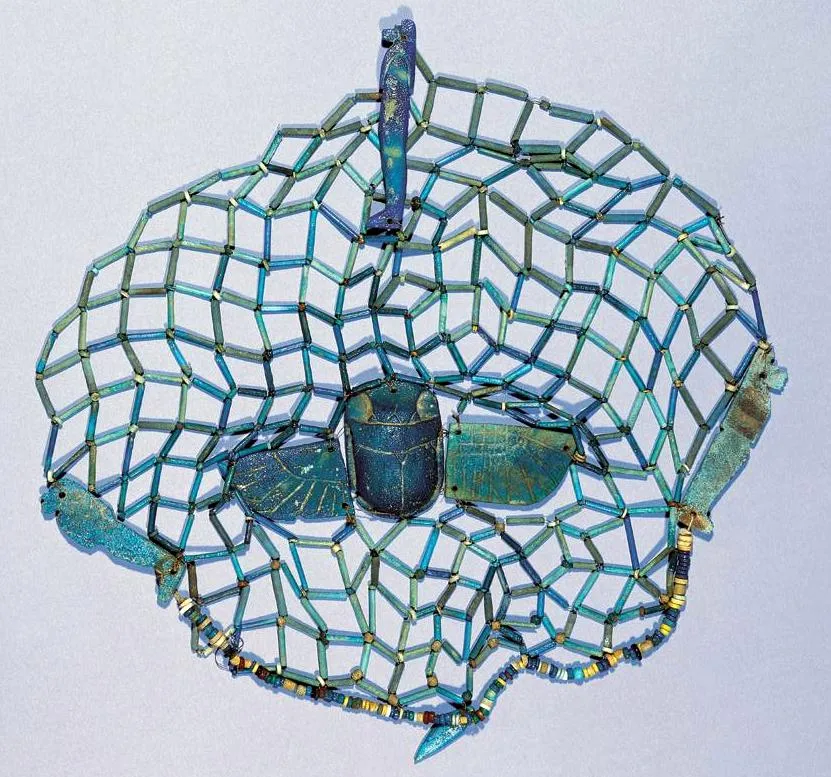
The scarab is a dung beetle that rolls balls of dung across the ground. To ancient Egyptians, this looked like the sun being rolled across the sky. The beetle became the symbol of Khepri, the god of the rising sun and of creation.
Meanings
- Rebirth: young beetles seem to emerge from the earth, as if born from nothing.
- Daily renewal: Khepri pushed the sun into the sky each morning.
How scarabs were used
- Amulets and seals: millions were carved in stone and faience, with names and blessings on the flat underside.
- Heart scarabs: placed on the mummy’s chest, inscribed with a spell asking the heart not to speak against its owner at judgment.
- Commemorative scarabs: Amenhotep III issued large scarabs announcing events like his marriage.
At Karnak, a giant granite scarab stands beside the sacred lake; tradition says walking around it brings luck.
1. The Historical Setting & Dynastic Foundations of Egyptian Scarab Beetle
Egyptian Scarab Beetle in All Egypt stands as one of the most magnificent architectural achievements in human history. Constructed during the Ancient Egyptian Religion, Cosmology & Sacred Symbolism, it represents an era of unparalleled artistic mastery, astronomical precision, and political power along the fertile banks of the Nile. From the Heliopolitan Ennead (Atum-Ra, Osiris, Isis, Horus, Seth, Nephthys) and the Theban Triad (Amun-Re, Mut, Khonsu) to protective symbols like the Ankh (Key of Life), Eye of Horus (Wadjet), Scarab Beetle (Khepri), Djed Pillar, and the Feather of Ma’at weighed against the deceased’s heart in the Book of the Dead, every temple wall in Egypt is a living religious text.
To truly understand the purpose of Egyptian Scarab Beetle, one must appreciate the ancient Egyptian worldview. In ancient theology, physical monuments were not merely passive stone structures or secular civic buildings; they were cosmic engines engineered to anchor Ma'at—the divine principle of universal harmony, truth, and cosmic balance—against the threatening chaos (Isfet) of the surrounding desert. Kings and queens poured royal treasuries into these monuments, deploying armies of skilled stonemasons, master scribes, relief sculptors, and surveyors to build structures capable of defying the passage of eternity.
The quarrying and transportation methods employed here demonstrate astonishing logistical sophistication. Tens of thousands of tons of high-grade limestone were extracted from nearby escarpments using copper chisels, dolerite hammerstones, and wooden wedges soaked in water to cleave stone cleanly along natural bedding planes. For royal burial chambers, sanctuary lintels, and towering obelisks, monolithic red granite blocks weighing up to fifty tons were quarried at the first cataract in Aswan and floated hundreds of kilometers downriver during the annual inundation (Akhet), when floodwaters submerged riverbanks and allowed heavy cargo barges to moor directly adjacent to desert temple harbor basins.
Throughout dynamic millennia of dynastic transitions, the site witnessed the rise and fall of the Old, Middle, and New Kingdoms, endured the conquests of Persian satraps, Ptolemaic Greek pharaohs, and Roman emperors, and eventually served as early Coptic Christian refuges and medieval travelers' waypoints. Today, standing before the monumental stone masonry in All Egypt, travelers experience an unbroken physical continuum of human civilization that bridges five thousand years of documented history.
The philosophical foundations of this architecture reflect a profound mastery of sacred geometry. Egyptian priests and royal architects, known as Overseers of All the King's Works, applied proportional canons based on the sacred cubit (approximately 52.3 centimeters), subdividing measurements into palms and fingers to reflect the mathematical proportions of the human anatomy and the celestial cosmos. Every doorway, courtyard width, and column spacing was calculated to evoke feelings of humble reverence as pilgrims transitioned from the blinding desert sunshine into progressively darker, narrower, and higher-stepped sacred chambers.
During the Old and Middle Kingdoms, royal patronage transformed regional cult centers into national administrative powerhouses. Agricultural surpluses collected from across the Nile Valley were channeled into temple grain silos, funding complex liturgical rites, artisan guilds, and nationwide astronomical record-keeping. In the New Kingdom, after the expulsion of the Hyksos invaders, Egyptian pharaohs expanded their military empire into the Levant and Nubia, dedicating vast quantities of gold, silver, lapis lazuli, and exotic cedarwood from Byblos to monumental building campaigns that showcased the supreme supremacy of Egypt under the solar god Amun-Re.
Even during the later Third Intermediate Period and Late Period, when geopolitical power fragmented between rival dynasties in the Delta and Upper Egypt, rulers continually refurbished and expanded Egyptian Scarab Beetle. Pharaohs of the Libyan 22nd Dynasty, the Nubian 25th Dynasty who ruled as revered 'Black Pharaohs', and the native Saite 26th Dynasty all sought political legitimacy by repairing damaged sanctuaries, erecting monumental granite statues, and inscribing their names alongside the legendary builders of the past.
💡 Pro Traveler Tip for Egyptian Scarab Beetle
Arrive at the official gate promptly at 07:00 AM. Entering at morning opening guarantees serene, uncrowded courtyards, cooler desert air, and soft horizontal morning light that illuminates ancient carved hieroglyphs and relief textures perfectly for photography.
2. Archaeological Discoveries & Modern Scientific Research
The scientific exploration of Egyptian Scarab Beetle has captivated the global academic community for over two centuries. Following the groundbreaking documentation by scholars attached to Napoleon Bonaparte's 1798 Egyptian expedition—which published the monumental Description de l'Égypte—early pioneers like Giovanni Belzoni, Jean-François Champollion, Karl Richard Lepsius, and Sir William Matthew Flinders Petrie began systematic clearance of desert sands that had enveloped the complex for centuries.
Flinders Petrie, revered as the father of scientific archaeology, applied rigorous triangulation, optical theodolites, and millimeter-precise physical measurements at the site during the 1880s, living in a deserted tomb and demonstrating that the monument's alignments possessed an extraordinary accuracy that confounded contemporary Victorian engineers. His meticulous surveys established that the orientation deviated from true cardinal north by mere fractions of a single degree, proving ancient astronomical surveying mastery.
In the modern era, Egyptian archaeological teams working under the Ministry of Tourism and Antiquities have revolutionized on-site research using non-destructive, non-invasive digital technologies. Ground-penetrating radar (GPR), muon cosmic-ray particle radiometry, thermal tomography, and satellite synthetic aperture radar have revealed subterranean galleries, foundation deposits, and structural voids hidden behind colossal megalithic walls.
Furthermore, extensive excavations surrounding Egyptian Scarab Beetle have unearthed the monumental settlements of the craftsmen, engineers, stonecutters, and logistics officers who created this wonder. The discovery of ancient communal bakeries producing thousands of loaves of emmer wheat bread daily, cattle-butchery facilities, and on-site medical dispensaries treating bone fractures has definitively disproven outdated myths of enslaved labor. These excavations prove that the builders of Egyptian Scarab Beetle were respected, skilled Egyptian artisans, paid in grain, beer, and fine linen, and honored with high-status burials alongside the royal necropolis.
Recent multidisciplinary chemical analyses of ancient mortar samples, isotopic sourcing of stone blocks, and photogrammetric 3D digital elevation scans continue to yield astonishing revelations. Conservators now utilize nanolime consolidants and specialized bio-cleaning enzymes to remove centuries of soot, atmospheric pollution, and bat guano without altering original mineral pigments, revealing brilliant lapis lazuli blues and gold foils that have lain hidden in darkness since antiquity.
International collaborative projects between the Egyptian Supreme Council of Antiquities and premier universities from France, Germany, Japan, Poland, and the United States have established permanent on-site conservation epigraphic surveys. Utilizing high-resolution multi-spectral imaging, researchers can decipher palimpsests—layers of ancient texts and architectural modifications where successive pharaohs recarved cartouches or altered ritual scenes to reflect changing political affiliations and theological reforms.
Today, visitors benefit directly from this scientific revival. Elevated wooden boardwalks, indirect LED illumination systems powered by solar micro-grids, and interactive QR-linked field documentation panels allow travelers to appreciate complex structural achievements without disturbing delicate sandstone pavements or vulnerable subterranean humidity levels.
3. Megalithic Engineering, Quarrying Logistics & Workforce Realities
The construction mechanics behind Egyptian Scarab Beetle continue to inspire awe among modern structural engineers, geologists, and architects. Erecting stone monuments of this magnitude required solving monumental challenges in materials science, terrestrial transport, hydraulic engineering, and labor organization.
The primary structural material consisted of dense nummulitic limestone extracted from quarries directly on the plateau or from the renowned Tura quarries on the eastern bank of the Nile. Tura limestone, famous for its chalky-white purity and fine grain, was prized for the exterior polished casing stones that once gleamed brilliantly under the desert sun. To extract these massive blocks, quarrymen carved deep perimeter trenches around each block using copper saws lubricated with quartz sand, then drove dry wooden wedges into natural fissures, soaking them with water so the swelling fibers cleaved the stone with astonishing precision.
For internal load-bearing ceilings, architraves, and monolithic columns, architects turned to the rose granite quarries of Aswan, located more than 800 kilometers to the south. Transporting individual granite monoliths weighing between 20 and 70 tons required colossal wooden transport barges (Wesekhet) built from imported Lebanese cedar and local acacia. During the annual flood season of Akhet (July to October), when Nile waters rose several meters, these barges were towed downriver by flotillas of oared galleys and navigated through specially excavated harbor canals directly to the foot of the monument’s construction ramps.
On land, ancient builders rejected the wheel for heavy haulage across soft desert sands, relying instead on heavy wooden sledges hauled by teams of organized laborers. A celebrated tomb relief at Deir el-Bersha illustrates this ingenious technique: an overseer stands on the front of the sledge pouring water or oil onto the silt directly before the runners. Modern tribological physics confirms that wetting the sand halves the friction coefficient, allowing a modest team of workers to glide megalithic weights smoothly up gently graded earthen ramps constructed of limestone chips, gypsum mortar, and compacted mud.
The labor organization was structured around the phyle system—rotating civic work teams of 200 men divided into smaller 20-man squads (sa) bearing proud guild names such as 'The Friends of Khufu' or 'The Vigorous Companions'. These seasonal workers were housed in purpose-built worker villages featuring family quarters, communal brewing vats, ceramic kilns, and municipal water wells. Forensic analysis of thousands of worker skeletons demonstrates evidence of sophisticated orthopedic surgeries, successfully set limb fractures, and generous dietary protein consisting of beef, Nile fish, and nutrient-dense emmer beer—solidifying their historical status as respected national builders rather than captive laborers.
4. Comprehensive Spatial Walkthrough & Chamber-by-Chamber Guide
Navigating Egyptian Scarab Beetle requires a deliberate, observant eye to appreciate both its grand ceremonial axes and subtle epigraphic nuances. As you walk through the monumental approaches and inner chambers, take time to study these distinct architectural components:
- The Monumental Gateway & Pylons: The soaring entrance facades are modeled after the twin mountains of the eastern and western horizons (Akhet), between which the sun deity emerges each morning. Inspect the vertical timber recesses carved to anchor colossal flagpoles fashioned from imported Lebanese cedar and capped with gleaming electrum.
- The Open Peristyle Courtyards: Stepping beyond the outer gate brings you into expansive sun-drenched peristyle courtyards surrounded by massive architraves and fluted stone columns. Here, public assemblies and royal festival processions took place before the sacred barque was carried into the inner sanctum.
- The Hypostyle Hall & Colonnades: Moving deeper inside, the ceiling rises into a soaring forest of stone columns designed to represent the lush primeval papyrus and lotus marshlands from which the primordial mound of creation (Benben) first arose. Look upward at column capitals where traces of original mineral pigments—Egyptian blue (cuprorivaite), malachite green, and yellow ochre—remain strikingly vibrant after thousands of years.
- The Sanctuary of the Sacred Barque (The Holy of Holies): Located at the absolute geometric and religious heart of the complex, this dimly lit chamber once held the golden portable shrine of the resident deity. Only the ruling Pharaoh and the High Priest were ritually permitted to enter this sanctum to wash, anoint with fragrant frankincense, and dress the divine image during daily rituals.
- Astronomical Alignments & Celestial Orientation: Notice how primary corridors, clerestory light slits, and sanctuary entrance axes align with remarkable precision to the winter solstice sunrise, equinoxes, or significant stellar constellations such as Orion and the star Sirius (Sopdet), heralding the annual fertility flood of the Nile.
- Subterranean Crypts & Hidden Relieving Chambers: Beneath heavy flagstone pavements lie narrow descending staircases leading to ritual treasury crypts where sacred ritual vessels of gold and lapis lazuli were secured. Above major horizontal chambers, stacked cantilevered granite lintels redistribute thousands of tons of overhead stone outward, protecting structural integrity across millennia of seismic activity.
- The Enclosing Temenos Wall: Constructed of sun-dried mud bricks laid in undulating wave patterns, this outer boundary wall symbolized the cosmic waters of Nun surrounding the sacred island of creation, protecting the sanctuary from secular contaminants and desert encroachers.
- Sacred Lakes & Nilometers: Adjoining the central temple enclosure, deep stone-lined sacred pools served as ritual purification basins where priests bathed four times daily before entering sanctuary precincts. Ancient nilometer steps carved with calibration markers measured river inundation heights to forecast crop yields and royal tax rates.
- Treasury Chambers & Offering Vestibules: Flanking the central holy axis, auxiliary side rooms housed the sacred liturgical regalia, ceremonial gold vessels, anointing unguent jars, and papyrus scrolls recording temple endowments, land deeds, and astronomical star tables.
⚠️ Avoid This Common Scam
Around entrance plazas and parking aprons in All Egypt, unofficial touts wearing counterfeit laminated badges may falsely claim that parts of the complex are closed or offer 'secret shortcuts'. Ignore them completely, keep walking, and only interact with uniformed Tourism Police or official ticket window personnel.
5. Hieroglyphic Epigraphy, Cartouches & Religious Symbolism
Every square meter of polished stone at Egyptian Scarab Beetle was intended as a monumental canvas. Ancient Egyptian scribes and epigraphers viewed written hieroglyphs not merely as a phonological alphabet, but as living metaphysical symbols imbued with magical potency (Heka).
Look closely at the deeply incised royal cartouches—the oval protective loops representing an unbroken rope of eternity enclosing the Pharaoh's birth name (Nomen) and throne name (Prenomen). Above the cartouches, notice the titles Nesut-Bity (King of Upper and Lower Egypt, symbolized by the reed and bee) and Sa-Re (Son of the Sun God Ra). Flanking these royal titles are depictions of the vulture goddess Nekhbet of Upper Egypt and the cobra goddess Wadjet of Lower Egypt, spreading their winged canopies to protect the pharaonic lineage.
Along the lower dado registers, observe personified provinces (Nomes) carrying offering mats laden with lotus blossoms, waterfowl, and jars of wine, marching solemnly toward the deity’s shrine. In the upper registers, relief scenes depict royal coronations, the ritual foundation ceremony of 'stretching the cord' with the goddess Seshat, and the Pharaoh performing the sacred dance of the Sed festival to rejuvenate his vitality before the gods.
Notice the differing relief techniques across varying dynasties: early Old and Middle Kingdom reliefs favor delicate low relief (bas-relief) where background stone was chiseled away to leave figures gently raised, while Ramesside New Kingdom reliefs utilize dramatic sunken relief (incised intaglio) carved deep into temple pylons so harsh desert sunlight would cast sharp, legible black shadows visible from vast ceremonial courtyards.
The symbolic color palette employed in the surviving painted friezes reflects deep sacred meanings. Green (Wadj) symbolized vegetative renewal, resurrection, and the fertile silt of the Nile inundation; blue (Khesbedj) represented the cosmic heavens and primeval waters of Nun; yellow and gold (Nebw) embodied the imperishable flesh of the gods and radiant solar warmth; while red (Desher) represented the fiery solar eye, energetic desert chaos, and triumphant military valor.
Carefully study the ritual iconography surrounding the central deities. Depictions of Osiris, god of the underworld, show him wrapped in white mummy bandages holding the crook and flail, symbolizing divine shepherdship and eternal resurrection. Horus, the falcon deity of divine kingship, hovers protectively behind the Pharaoh's nemes headcloth, extending the ankh (sign of life) to the monarch's nostrils. Isis, the divine mother and mistress of magic, spreads winged arms to shelter sacred shrines, while Anubis, the jackal-headed embalmer, oversees the weighing of the heart against the feather of Ma'at.
6. Ancient Theology, Funerary Literature & The Journey of the Soul
To fully grasp why ancient Egyptians committed such staggering resources to monuments like Egyptian Scarab Beetle, one must delve into their elaborate concepts of mortality, resurrection, and the human soul. Unlike modern cultures that view death as an abrupt finality, ancient Egyptians regarded earthly existence as a fleeting prelude to an eternal, paradise-like afterlife known as Aaru (the Field of Reeds).
The human identity was understood to comprise multiple spiritual components: the Khat (physical body), the Ka (vital life-force requiring nourishment and offerings), the Ba (the individual personality and mobility, depicted as a human-headed bird capable of flying between realms), the Sheut (the shadow), the Ren (the secret name that lived as long as it was spoken aloud), and the Akh (the transfigured, radiant spirit that merged with the immortal stars).
Preserving these components required sophisticated funerary architecture and sacred literature. The walls and ceilings of monuments in All Egypt are frequently inscribed with spells from the sacred canons: the Old Kingdom Pyramid Texts, the Middle Kingdom Coffin Texts, and the New Kingdom funerary guides including the Book of the Dead (properly titled the Spells for Coming Forth by Day), the Amduat (The Book of What is in the Netherworld), and the Book of Gates.
These texts served as an intricate celestial roadmap for the deceased soul. As the sun god Ra traversed the twelve dark hours of the underworld nightly in his solar barque (Mesektet), battling the giant chaos serpent Apophis, the deceased Pharaoh or noble had to recite magical passwords, satisfy fierce demonic guardians armed with knives, and ultimately stand before Osiris in the Hall of the Two Truths for the climactic Weighing of the Heart (Psychostasia). Only when the heart balanced perfectly against the ostrich feather of Ma'at was the soul declared Maa Kheru (True of Voice) and admitted into eternal bliss.
7. The Royal Cachettes & Discovery of the Pharaonic Mummies
The physical survival of ancient Egypt's monarchs into the modern era is one of archaeology’s most astonishing detective stories. By the end of the 20th Dynasty, widespread political instability and rampant tomb robbery plagued the Theban necropolis. In response, courageous High Priests of Amun of the 21st Dynasty initiated a covert operation to save the royal ancestors.
Priests systematically gathered the desiccated royal mummies from looted tombs across the Valley of the Kings, carefully re-wrapped their fractured linen shrouds, inscribed new dockets on their cedar coffins identifying their royal lineages, and secreted them into two concealed underground hideaways: Tomb DB320 at Deir el-Bahari and the tomb of Amenhotep II (KV35). In DB320 alone, over 40 royal mummies—including Seqenenre Tao, Ahmose I, Thutmose III, Seti I, and Ramesses II—lay undisturbed in darkness for nearly three thousand years until local villagers discovered the cache in 1871.
Today, visitors can witness these immortal rulers face-to-face inside the state-of-the-art Royal Mummies Hall at the National Museum of Egyptian Civilization (NMEC) in Cairo. Looking upon the serene facial features of Seti I with his finely preserved aquiline profile, or Ramesses the Great with his aristocratic brow and golden-tinted henna hair, establishes an unforgettable personal connection between contemporary travelers and the visionary rulers who commissioned Egyptian Scarab Beetle.
8. Astronomical Alignments, Celestial Geometry & Solar Cults
One of the most awe-inspiring dimensions of Egyptian Scarab Beetle is its profound integration with ancient Egyptian archaeoastronomy. For Egyptian temple builders, earthly architecture was a direct terrestrial mirror of the celestial cosmos (As Above, So Below).
Surveys conducted with high-precision optical theodolites and GPS coordinates prove that primary ceremonial corridors, sanctuary doors, and clerestory window embrasures were deliberately aligned to cardinal directions and celestial occurrences. At key moments during the annual solar cycle—particularly the winter solstice sunrise, the spring and autumn equinoxes, and the summer solstice—the morning sun rises in direct geometric alignment with the monumental entrance pylon, sending an intense beam of golden solar light penetrating deep through dark hypostyle halls to illuminate the inner sanctuary shrine.
Stellar alignments were equally paramount. The orientation of ancient ceremonial shafts and outer corridors frequently targeted the circumpolar stars—known to ancient priests as the Ikhemu-sek or 'The Indestructible Stars' because they never set below the desert horizon. These immortal northern stars symbolized eternal, unwavering afterlife existence for the royal spirit (Ka). Alignments toward the star Sirius (Sopdet) heralded the miraculous heliacal rising in July, which warned Egyptian farmers of the impending annual Nile flood, rejuvenating the scorched agricultural soils of the Nile Valley.
The ceiling friezes inside inner chambers often depict astronomical charts, decanal constellations, and celestial sky maps. Inspect the vaulting where the sky goddess Nut stretches her elongated star-studded body across the ceiling, swallowing the solar disk at sunset in the west and giving birth to the golden morning sun at dawn in the east, surrounded by 36 decan stars that divided the 360-day calendar into 10-day astrological weeks.
9. 2026 Ticket Tariffs, Cashless Payments & Hours
Visiting cultural heritage sites across All Egypt has been modernized under the Egyptian government's national digital transformation program. Review the verified 2026 visitor specifications below:
| Deity / Sacred Symbol | Domain & Meaning | Primary Cult Center / Temple in Egypt |
|---|---|---|
| Amun-Re & Ra-Horakhty | King of the Gods & Solar Creator | Karnak & Luxor Temples (Thebes) • Abu Simbel |
| Osiris, Isis & Horus | Resurrection, Magic, Motherhood & Divine Kingship | Abydos Temple (Osiris) • Philae Island (Isis) • Edfu (Horus) |
| Hathor & Sobek | Music, Love, Sky & Nile Fertility / Protection | Dendera Temple (Hathor) • Kom Ombo Temple (Sobek) |
| Ankh, Wadjet & Scarab | Eternal Life, Healing Protection & Solar Rebirth | Seen in tomb paintings across the Valley of the Kings & GEM |
- 100% Cashless Ticket Windows: Ticket booths at Egyptian Scarab Beetle operate on a strict cashless payment policy. All ticket transactions must be completed using a physical contactless Visa or Mastercard credit or debit card. Cash banknotes are no longer accepted at official gates. Alternatively, book QR code e-tickets in advance via the official Ministry of Antiquities portal at egymonuments.com.
- Official Operating Hours: Standard archaeological visiting hours are from 07:00 AM to 05:00 PM daily during summer months (closing at 04:00 PM during the winter travel season). The last ticket sales counter closes strictly one hour prior to site closure.
- Student & Youth Concessions: International students aged 12 to 30 holding a valid physical or digital ISIC (International Student Identity Card) receive a 50% discount on standard adult ticket tariffs. Children under the age of 6 enter free of charge.
- Inclusive City Passes (Cairo Pass & Luxor Pass): If you plan an extensive archaeological itinerary, consider purchasing an official Ministry Pass. The pass grants unlimited access to all monuments, tombs, and museums within the governorate for five consecutive days, including special premium sites like Nefertari's tomb or Seti I, offering significant savings over individual gate tickets.
- Audio Guides & Licensed Site Docents: Multilingual digital audio guides can be rented at visitor information kiosks for approximately 100–150 EGP. If hiring an on-site Egyptologist guide, ensure they wear an official badge from the Egyptian Tourist Guides Syndicate and agree upon fees before commencing the tour.
- Commercial Video & Camera Permits: Non-commercial smartphone and amateur handheld photography is free. However, if carrying professional photography rigs, interchangeable telephoto lenses over 200mm, lighting rigs, or heavy metal tripods, purchase a dedicated camera tripod permit at the primary ticketing counter upon arrival.
📌 2026 Official Requirement
Keep your digital or paper QR ticket accessible at all times while on site. Roving Ministry inspectors periodically perform spot checks at inner sanctuary gateways and chamber thresholds.
10. How to Get There: Transit Logistics & Inter-City Routes
Reaching Egyptian Scarab Beetle smoothly and safely is simple when choosing modern, reliable transportation routes:
- GPS Ride-Hailing Apps (Uber Comfort / InDrive): Within major urban centers like Cairo, Giza, and Alexandria, app-based ride-hailing is by far the most convenient and cost-effective option. You receive upfront transparent pricing in Egyptian Pounds, GPS route tracking, and modern air-conditioned vehicles without any need for price haggling.
- Private Chauffeur / Hotel Car Service: For a full day of sightseeing in All Egypt, reserving a dedicated private air-conditioned vehicle and licensed driver through your hotel concierge provides unmatched flexibility. Your driver remains on site while you tour, keeps extra chilled mineral water in the vehicle, and ensures seamless door-to-door transit between consecutive attractions.
- High-Speed VIP Talgo Express Trains: If you are traveling between Cairo, Alexandria, Luxor, and Aswan, Egypt's premier Spanish Talgo trains offer luxurious reclining seating, onboard dining cars, spotless washrooms, and reliable schedules. For longer journeys, domestic flights on EgyptAir or Air Cairo take under one hour.
- Public Ferries & Nile Crossings: In riverfront cities like Luxor and Aswan, local public passenger ferries cross the Nile for just a few Egyptian pounds, offering an authentic, scenic transit experience between the East and West banks.
- Regional Metro & Highway Infrastructure: Major transit arteries, including the Cairo Metro Line 3 expansion and newly constructed orbital desert highways, provide rapid transfers between central districts and archaeological sites, bypassing traditional urban bottlenecks.
- Airport Transfers & Terminals: Major international arrivals land at Cairo International Airport (CAI), Sphinx International Airport (SPX), Hurghada (HRG), or Sharm El Sheikh (SSH). Pre-arranged airport private transfers eliminate arrival stress and deliver you directly to your hotel lobby.
11. Month-by-Month Climate, Crowd Trends & Timing Strategy
Because All Egypt experiences an arid desert climate, choosing the right season and time of day dramatically enhances your sightseeing comfort:
- Peak Winter Season (November through February): Featuring mild, pleasant daytime temperatures (20°C–25°C / 68°F–77°F), this is the most popular time for outdoor monument exploration. Book boutique hotels, domestic flights, and 5-star Nile cruise cabins 4 to 8 weeks in advance.
- Shoulder Seasons (March–April & October): Warm, sunny days (27°C–32°C) with cooler evenings. These months offer an ideal balance between pleasant weather, moderate tourist crowds, and excellent hotel availability.
- Summer Season (May through September): Daytime highs regularly exceed 38°C–42°C. However, early morning touring between 07:00 AM and 09:30 AM remains comfortable, and travelers enjoy quiet courtyards, substantial luxury hotel discounts, and unobstructed photography angles.
- Navigating the Khamaseen Winds: During early spring (late March to mid-April), occasional desert weather fronts known as the Khamaseen can blow fine sand and dust across the desert plateau for 24 to 48 hours. Carry wrap-around sunglasses and a lightweight cotton scarf (keffiyeh) to protect your eyes and camera equipment.
- Ramadan Operating Variations: Visiting during the Islamic holy month of Ramadan offers vibrant evening cultural festivities (Iftar and Sohour), though archaeological sites and government offices typically close one hour earlier in the afternoon.
- Diurnal Temperature Drops: Remember that desert climates experience rapid radiative cooling after sunset. While midday temperatures require lightweight linen, evening winds can feel surprisingly brisk; always pack a light fleece or windbreaker.
12. Photography Guidelines, Drone Laws & Equipment Rules
Capturing breathtaking travel photographs at Egyptian Scarab Beetle is straightforward when you follow Egypt's official cultural heritage photography regulations:
- Smartphones & Handheld Cameras: Personal smartphone photography and non-professional handheld digital cameras are permitted free of charge across all open-air courtyards and exterior monument grounds.
- Flash Photography Strictly Prohibited Indoors: Flash is strictly forbidden inside painted tombs, hypostyle galleries, and museum halls. Repeated flash exposure causes irreversible photochemical degradation to delicate ancient mineral pigments.
- Tripods & Professional Gimbals: Full-sized tripods, studio lighting, or commercial video rigs require a separate tripod photography permit purchased at the main entrance gate. Handheld smartphone gimbals without stabilizing feet are generally permitted without additional permits.
- Nationwide Drone Prohibition: Remote-controlled drones (UAVs) are strictly illegal nationwide across Egypt under strict defense and security legislation. Do not attempt to bring a drone into the country; customs authorities will confiscate it at the airport.
- Recommended Camera Focal Lengths: Bring an ultra-wide zoom lens (14–24mm or 16–35mm equivalent) to capture soaring columns and monumental pylons within confined temple precincts, paired with a fast 35mm or 50mm f/1.8 prime lens for low-light indoor reliefs without flash.
- Low-Light Sensor Techniques: When photographing indoor crypts or dimly lit tomb corridors, set your camera to aperture priority (f/2.8 or wider), raise your ISO to 1600–3200, and lean gently against a stone wall or use your body as a natural tripod to maintain steady 1/30s shutter speeds.
13. Cultural Etiquette, Modest Dress & Baksheesh (Tipping)
Respectful cultural awareness ensures warm hospitality and rewarding personal interactions throughout your stay in All Egypt:
- Recommended Attire: Wear lightweight, loose-fitting cotton or linen clothing. Modest dress covering shoulders and knees is appreciated throughout Egypt and protects your skin from direct desert sun. Wear cushioned, closed-toe walking shoes or trail runners for navigating sandy stone ramps.
- Baksheesh (Tipping) Etiquette: Tipping is a deeply rooted cultural tradition in Egyptian service sectors. Carry small EGP notes (10, 20, 50, and 100):
- Restroom attendants: 10–20 EGP
- Hotel luggage porters: 30–50 EGP
- Private chauffeur for a full day: 200–400 EGP
- Licensed Egyptologist tour guide: 400–700 EGP per day
- Temple custodian offering flashlight assistance: 20–50 EGP
- Polite Interaction with Vendors: Around tourist gates, souvenir vendors and camel handlers will approach you. If you are not interested in purchasing, maintain friendly eye contact, place a hand over your heart, and say 'La, Shukran' (No, thank you) with polite confidence while continuing to walk. Never engage in negotiations unless you genuinely wish to purchase.
- Photography Courtesy: Always ask permission before photographing local residents, craftspeople, or market vendors. If they agree, a modest tip of 20–50 EGP is customary and warmly appreciated.
- Gestures & Body Language: Use your right hand when exchanging money, handing documents, or accepting refreshments. Pointing feet toward others or showing the soles of shoes is considered impolite in traditional social settings.
14. Accessibility, Senior Comfort & Family Travel
Egyptian Scarab Beetle provides practical accommodations for travelers with diverse physical mobility needs:
- Paved Walkways & Ramps: Visitor centers, main entrance plazas, and primary perimeter pathways feature paved ramps suitable for wheelchairs and strollers. However, inner subterranean descent corridors require steep climbing through cramped wooden stairs and are not recommended for visitors with severe claustrophobia or limited mobility.
- Electric Golf Cart Shuttles: Major complex gates in All Egypt provide electric golf cart shuttles between the main ticket office and scenic monument viewpoints for a nominal fee.
- Family & Children Travel Advice: Visiting ancient monuments with kids is an unforgettable educational experience. Bring a rugged stroller with large pneumatic wheels, carry electrolyte rehydration packets, and engage young travelers with stories of pharaohs, mummies, and hieroglyphs before visiting.
- Senior Traveler Considerations: Plan frequent shaded rest breaks, schedule monument excursions in the early morning before temperatures peak, and ensure your private transport drops you off as close as permitted to main ticketing entries to minimize walking distances over hot sand.
- Claustrophobia & Respiratory Warnings: Subterranean tomb shafts and interior pyramid corridors can become humid, warm, and dusty. Visitors with severe respiratory conditions, asthma, or claustrophobia should focus on exterior courtyards and open-air colonnades rather than descending into confined burial crypts.
15. Curated Museum Collections Connecting to Egyptian Scarab Beetle
To fully appreciate the historical artifacts and treasures excavated from Egyptian Scarab Beetle, combine your on-site visit with Egypt's world-class museum network:
- The Grand Egyptian Museum (GEM) in Giza: Spanning nearly 500,000 square meters overlooking the Giza Plateau, GEM houses over 100,000 ancient artifacts, including the complete 5,398-piece Tutankhamun funerary collection, the colossal 82-ton Ramesses II atrium statue, and the 4,600-year-old cedarwood Khufu Solar Boat.
- The National Museum of Egyptian Civilization (NMEC) in Fustat: Located in Old Cairo, NMEC's state-of-the-art Royal Mummies Hall displays 22 mummies of Egypt's greatest kings and queens (including Ramesses II, Seti I, Hatshepsut, and Thutmose III) in darkened climate-controlled chambers modeled after underground royal tombs.
- The Historic Egyptian Museum in Tahrir Square: Inaugurated in 1902, this neoclassical museum preserves legendary Old and Middle Kingdom masterpieces, including the Narmer Palette, the diorite statue of Khafre with the protective Horus falcon, and the Rahotep and Nofret limestone figures with crystal eyes.
- The Luxor & Nubian Museums: In Upper Egypt, the Luxor Museum showcases pristine statues discovered in the Amenhotep III cachette, while Aswan's Nubian Museum celebrates the history and architecture of Nubian culture saved during the UNESCO rescue campaigns.
16. Culinary Pairings: Authentic Local Egyptian Dining Near All Egypt
Complete your cultural excursion with a feast of authentic Egyptian specialties at celebrated local restaurants in All Egypt:
- Koshary: Egypt’s beloved national street food—a hearty bowl of brown lentils, rice, macaroni, chickpeas, and crispy fried onions smothered in a savory garlic-vinegar tomato sauce.
- Taameya & Ful Medames: Freshly fried Egyptian falafel made from green fava beans, fresh coriander, and dill, paired with slow-simmered fava beans, creamy tahini, and hot whole-wheat baladi flatbread.
- Charcoal-Grilled Kebab & Kofta: Succulent skewers of seasoned minced lamb and beef grilled over natural charcoal, served with smoked baba ghanoush, pickled vegetables, and fresh mint salad.
- Fresh Sugarcane & Hibiscus (Karkadeh): Quench your thirst with freshly pressed cold sugarcane juice (Aseer Asab) or refreshing iced hibiscus tea brewed from organic Upper Egyptian flowers.
- Traditional Egyptian Desserts: Conclude your meal with warm Om Ali (a decadent baked puff-pastry pudding layered with sweet milk, raisins, and toasted almonds) or crisp golden Kunafa filled with clotted cream.
- Stuffed Pigeon (Hamam Mahshi): A celebratory Egyptian delicacy featuring whole young pigeon stuffed with spiced cracked green wheat (freekeh) or seasoned rice and roasted to golden perfection.
- Molokhia with Garlic Butter: Rich, verdant soup made from finely minced jute leaves, poured tableside with a sizzle of aromatic browned garlic and crushed coriander butter.
- Hawawshi: Spiced minced beef and lamb baked inside whole loaves of Egyptian flatbread until the exterior turns golden and crisp.
17. Where to Stay: Curated Accommodation Strategies
Selecting the right accommodation enhances your travel comfort and sightseeing efficiency in All Egypt:
- Historic Heritage Palaces: Properties like the historic Mena House at Giza or the Sofitel Legend Old Cataract in Aswan offer legendary Nile-view balconies where royalty and literary icons like Agatha Christie and Winston Churchill once stayed.
- Boutique West Bank Guest Houses: In Luxor and Aswan, charming family-run Nubian and Egyptian boutique lodges on the quiet western bank offer authentic dome architecture, tranquil rooftop terraces, and homemade home-cooked meals overlooking the river.
- Modern Riverside Business Hotels: For corporate amenities, reliable high-speed fiber internet, and rooftop swimming pools, 5-star international hotel chains along central Cairo and Alexandria corniches offer seamless full-service luxury.
- Eco-Lodges & Heritage Villas: For a serene, sustainable getaway, traditional mudbrick eco-lodges near oases or rural farmland offer candlelit ambiance, organic farm-to-table dining, and direct communion with nature.
- Boutique Riad-Style Hotels: In historic quarters, restored Ottoman and Mamluk mansions converted into boutique guest houses offer internal courtyard fountains, hand-carved mashrabiya lattice windows, and intimate rooftop terraces overlooking historic minarets.
18. Safety Protocols, Scams & Solo Travel Confidence
Egypt remains one of the safest destinations in the Middle East for international tourists, supported by dedicated Tourism Police brigades stationed across all archaeological sites and transit hubs:
- Tourism Police Protection: Uniformed officers wearing English-language armbands are posted at all ticket gates, monument courtyards, and museum pavilions. Do not hesitate to approach them if you require directions, assistance, or wish to report aggressive touting.
- Avoiding Unofficial Guides & Horse Carts: Book carriages, camel excursions, and local guides only through verified hotel concierge desks or pre-vetted operators. Agree upon the full duration, destination, and tip beforehand to prevent mid-journey disputes.
- Solo Female Travel Guidance: Egypt warmly welcomes independent female travelers. Dressing modestly with covered shoulders and knees, choosing app-based ride-hailing (Uber Comfort) where driver details and GPS routes are logged, and maintaining confident posture ensures comfortable and empowering explorations.
- Emergency Contacts in Egypt:
- Tourist Police Hotline: 126
- Ambulance Emergency: 123
- General Police Emergency: 122
- Fire Department: 180
- Bazaar Shopping Boundaries: If entering perfumeries, alabaster workshops, or papyrus institutes, enjoy the hospitality tea with courtesy, but remember you are never obligated to purchase. Polite and definitive refusal is always respected.
19. Step-by-Step Recommended Day Plan & Time Allocation
To experience Egyptian Scarab Beetle thoroughly without physical fatigue, follow this optimized chronological schedule:
- 07:00 AM – 07:30 AM: Pass through security and ticket scanning gates. Walk directly to the furthest inner sanctuary or primary focal point while morning light is pure and courtyards are quiet.
- 07:30 AM – 09:30 AM: Conduct detailed architectural and epigraphic study of the main hypostyle halls, royal reliefs, and side chapels.
- 09:30 AM – 10:30 AM: Explore perimeter structures, sacred lakes, secondary pylons, or surrounding tomb mastabas. Tour bus crowds begin arriving around this hour, making outer exploration ideal.
- 10:30 AM – 11:30 AM: Visit the on-site site museum or visitor center documentation gallery before sun reaches its midday zenith.
- 12:00 PM: Depart for a relaxing air-conditioned lunch at a nearby restaurant in All Egypt.
- 02:30 PM – 04:30 PM: Pair this visit with a nearby companion cultural museum or historical quarter to round out your daily archaeological understanding.
- 05:00 PM – Sunset: Relax along a scenic viewpoint or board a sunset felucca sail as golden hour illuminates the Nile water and surrounding desert hills.
20. The Decipherment of Ancient Egyptian Hieroglyphs & Epigraphy
For more than a thousand years following the closure of Egypt's last pagan temples under Roman Emperor Theodosius I in the late 4th century AD, the sacred hieroglyphs carved across Egyptian Scarab Beetle remained an impenetrable mystery. Medieval scholars and early European travelers erroneously believed the pictorial signs were mystical allegories or occult magical sigils rather than a functioning phonetic writing system.
The breakthrough that unlocked ancient Egyptian civilization occurred in 1799, when French engineering soldiers under Captain Pierre-François Bouchard discovered the Rosetta Stone near the Mediterranean port city of Rashid (Rosetta). Inscribed with a decree issued in 196 BC under Ptolemy V Epiphanes written in three parallel scripts—Classical Greek, Demotic Egyptian, and Sacred Hieroglyphs—the stone provided the linguistic key for decipherment.
Working tirelessly in Paris, linguistic genius Jean-François Champollion made the historic leap in September 1822. By comparing foreign royal names enclosed within protective cartouches—beginning with Ptolemy (Ptolemaios) and Cleopatra—Champollion realized that hieroglyphic signs operated both as phonetic phonograms (representing consonantal sounds) and ideograms/determinatives (indicating category meanings). When he deciphered the cartouche of Ramesses at Abu Simbel, he ran into the Académie des Inscriptions shouting 'Je tiens mon affaire!' (I have got it!) before collapsing from exhaustion.
Today, epigraphers from the University of Chicago’s Epigraphic Survey (based at Chicago House in Luxor) continue this noble tradition. Utilizing digital high-resolution photography, drawing tablets, and raking light analysis, conservators record every subtle chisel stroke, ancient mason's mark, and painted pigment trace, ensuring that the immortal voice of Egyptian Scarab Beetle remains legible for generations to come.
21. Pre-Departure Master Checklist & Egyptian Arabic Phrasebook
Ensure you are 100% prepared for your visit with this comprehensive pre-departure checklist and essential Egyptian Arabic phrasebook:
- ✓ Passport valid for at least 6 months with 1+ blank visa page
- ✓ Physical contactless Visa/Mastercard for cashless monument tickets
- ✓ Local Egyptian SIM card (Vodafone, Orange, or WE) for GPS maps and data
- ✓ Broad-spectrum SPF 50 sunscreen, UV sunglasses, and sun hat
- ✓ Sturdy closed-toe walking sneakers
- ✓ Small Egyptian Pound (EGP) bank notes for tipping and souk purchases
- ✓ Universal Type C/F electrical plug adapter (220V / 50Hz)
- ✓ Basic travel medical kit including electrolyte powders and anti-diarrheal tablets
- ✓ High-capacity portable power bank for smartphone battery top-ups during long days
- ✓ Lightweight pashmina or cotton scarf for head covering inside religious sites
- ✓ Reusable insulated water bottle to maintain chilled hydration on site
- ✓ Digital offline copies of maps, e-tickets, and hotel reservations
| English Phrase | Arabic Pronunciation | Meaning / Usage |
|---|---|---|
| Hello / Welcome | Ahlan wa Sahlan | Standard friendly greeting |
| Thank you | Shukran | Expressing gratitude |
| No, thank you | La, Shukran | Polite refusal to street vendors |
| Peace be upon you | Salam Alaykum | Traditional respectful greeting |
| How much is this? | Bikam da? | Asking for prices at souks |
| Where is...? | Feen...? | Asking for directions or restrooms |
| Water | Mayya | Ordering mineral water |
| Let’s go / Hurry | Yalla | Common phrase for departing |
| Good morning | Sabah el kheer | Polite morning greeting |
| Good evening | Masaa el kheer | Polite evening greeting |
| Delicious | Lazeed / Gameel | Complimenting food at a restaurant |
| Goodbye | Ma'a el salama | Departing respectfully |
| Check, please | El hisab, min fadlak | Requesting the restaurant bill |
| Please | Min fadlak (to male) / Min fadlik (to female) | Courteous request |
| Yes / No | Aiwah / La | Basic affirmative / negative |
| Excuse me / Sorry | An iznak / Aasif | Polite apology or passing through crowds |
| God willing | Inshallah | Common cultural expression for future plans |
| Praise be to God | Alhamdulillah | Expression of satisfaction and well-being |
22. Where to Go Next: Recommended Companion Guides
Continue your Egyptian adventure by exploring companion guides in our Sacred Egyptian Symbols & Royal Amulets collection: Eye of Horus Unveiled: Myth, Meaning, and Magic of Wadjet, The Djed Pillar, Was Scepter: Symbol of Power, Chaos, & Divine Authority, The Ouroboros Symbol, The Eye of Ra and the Eye of Horus: Ancient Symbols of Power, Protection, and Wrath.
Questions & answers
What is the best time of day to visit Egyptian Scarab Beetle to beat the crowds?
The absolute best window is at opening time between 07:00 AM and 08:30 AM. Arriving early lets you enter peaceful courtyards, avoid midday desert heat, and take unobstructed photographs before large tour group coaches arrive around 09:30 AM.
How do I pay for entrance tickets at Egyptian Scarab Beetle in 2026?
All Ministry of Tourism and Antiquities ticket booths across All Egypt operate on a strict 100% cashless system. You must pay using a physical contactless Visa or Mastercard credit/debit card, or purchase electronic QR tickets in advance online at egymonuments.com.
Do international students receive an entry discount at Egyptian Scarab Beetle?
Yes. International students up to 30 years old who present an official physical or digital ISIC (International Student Identity Card) receive a 50% discount on standard adult ticket tariffs. Children under 6 enter free of charge.
What is the recommended dress code when visiting Egyptian Scarab Beetle in All Egypt?
Wear lightweight, loose-fitting cotton or linen clothing, comfortable closed-toe walking shoes with good tread for uneven ancient stone paving, and sun protection (hat and sunglasses). While open-air archaeological sites do not require head coverings, modest dress covering shoulders and knees is respectful and practical throughout Egypt.
Are cameras and smartphones allowed inside Egyptian Scarab Beetle?
Personal smartphone photography and handheld non-professional cameras without flash are allowed free of charge. Flash photography is strictly forbidden inside painted tombs and enclosed galleries to prevent pigment deterioration. Commercial tripods require a separate permit, and camera drones are strictly illegal nationwide across Egypt.
Can visitors with limited mobility or wheelchair users access Egyptian Scarab Beetle?
Primary visitor centers, approach causeways, and outer courtyards feature paved ramps and wheelchair access. Electric golf carts are also available for hire at major complex gates. However, subterranean burial shafts and narrow upper chambers require steep climbing through cramped wooden ladders and are not recommended for visitors with severe mobility limitations.
Written and maintained by the Travel With Egypt team. Opening hours, prices and entry rules in Egypt change often — please confirm them with the official site or your operator before you travel. Spotted something out of date? Tell us.
Keep reading
 Visas, Airports & Getting to Egypt
Egypt Travel Visa: Guide to Types, Costs, & Entry Rules
Which Egypt visa you need, how the e-Visa and visa on arrival work, and the passport and paperwork checks to do before you fly.
 Visas, Airports & Getting to Egypt
List of Egypt Airports
Egypt’s main international airports, which part of the country each one serves, and how to pick the right arrival point for your route.
 Visas, Airports & Getting to Egypt
Explore the Accurate Distances Between Egyptian Cities
Realistic distances and travel times between Cairo, Luxor, Aswan, Alexandria and the Red Sea, by road, train, plane and boat.